
A comprehensive 47-year Swedish study has revealed that physical fitness, strength, and muscle endurance can begin declining as early as age 35. While this may sound concerning, the findings also bring reassuring news. The research shows that starting regular exercise in adulthood can still improve physical performance and help slow this natural decline.
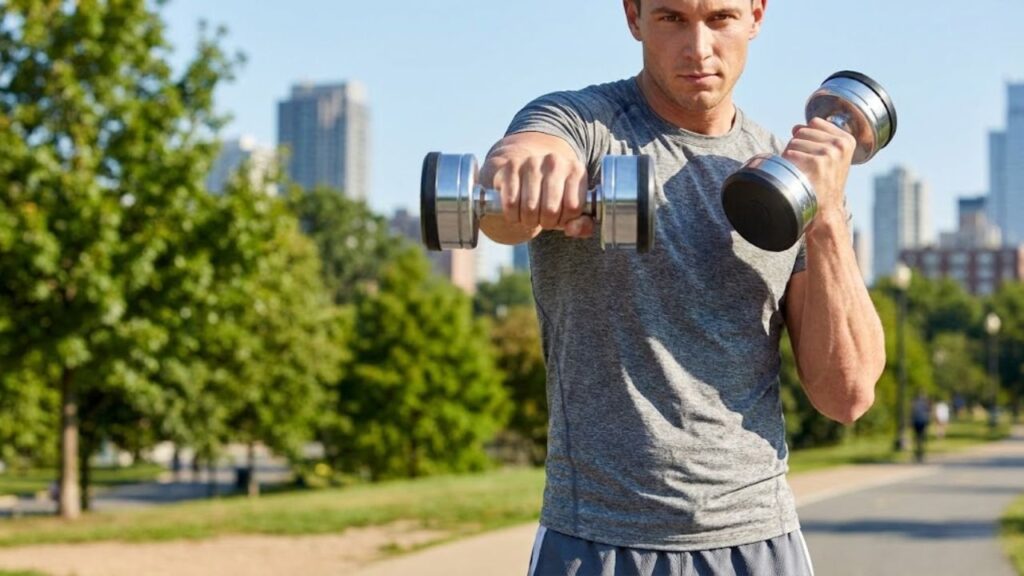
The study was conducted by researchers at Karolinska Institutet as part of the Swedish Physical Activity and Fitness study (SPAF). It followed several hundred randomly selected men and women aged 16 to 63 over nearly five decades. Published in the Journal of Cachexia, Sarcopenia and Muscle, the research provides rare long-term insight into how the human body changes across adulthood.

Why This Study Stands Out From Earlier Research
Most previous studies on physical aging relied on cross-sectional data, comparing different age groups at a single point in time. In contrast, the SPAF study repeatedly tested the same individuals over many years. By tracking changes in fitness and strength within the same participants across Sweden, the researchers created one of the most detailed long-term datasets ever assembled on physical performance.
This approach allowed scientists to observe real-life changes rather than assumptions based on age comparisons. As a result, the findings offer a clearer picture of how physical capacity evolves over decades.
 20-Minute Standing Strength: At-Home Workout That Builds Full-Body Muscle Without Going to a Gym
Fitness and Strength Decline After 35, Regardless of Early Training
The results show that both fitness and muscular strength begin to decline around age 35, even among people who were physically active earlier in life. After this point, the decline continues gradually and tends to accelerate with advancing age.
However, the study also highlights a key positive outcome. Participants who became physically active during adulthood experienced a 5–10 percent improvement in physical capacity. This demonstrates that exercise remains beneficial, even when started later in life.

Maria Westerståhl, lecturer at the Department of Laboratory Medicine and lead author of the study, emphasized this point clearly. She noted that while physical activity cannot fully stop age-related decline, it can significantly slow performance loss and improve overall physical ability.
Future Research Will Explore Aging, Lifestyle, and Biology
The study is still ongoing. Researchers plan to examine the participants again next year, when they reach age 68. The next phase aims to better understand how changes in physical performance are linked to lifestyle habits, overall health, and biological processes.
By continuing to follow the same individuals, the research team hopes to uncover why peak physical performance occurs around age 35 and why exercise can slow—but not completely prevent—physical decline over time.